Emma Schwartz Interview by Jen Bush
ATA kicks off its 48th Season with a new play by Bruce Lawder – THE CHERRY TREE – directed by Emma Schwartz. THE CHERRY TREE is part of the Directors Festival and Women in Theatre (WIT) initiative at American Theatre of Actors.
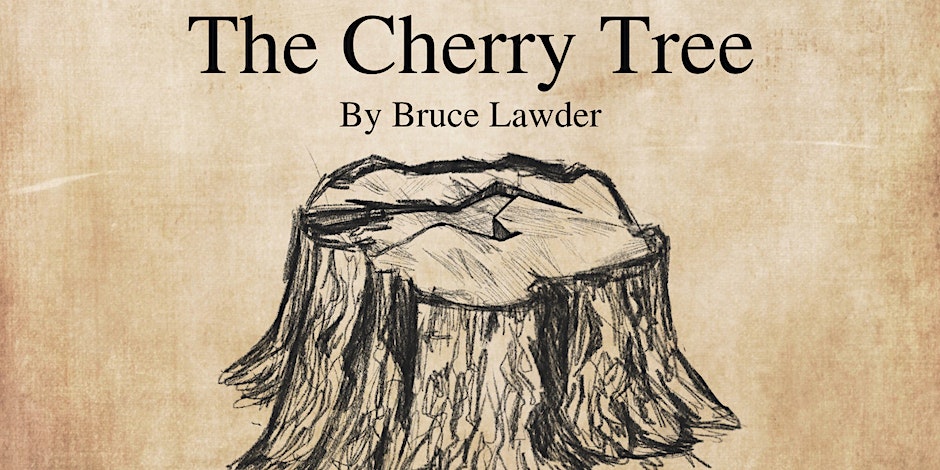
A mother and her two adult daughters deal with the toxic behavior and attitudes that resulted from the abandonment of their father. It’s taken years for them to accept the changes brought about by his absence, when unexpected financial news forces the three women to re-evaluate the reality of their situation. And when the boundaries between reality and fantasy cross – can they forge a new strength and a better reality for themselves? We had the good fortune of catching up with the director, Emma Schwartz. She was so kind as to discuss her experience being part of this production.
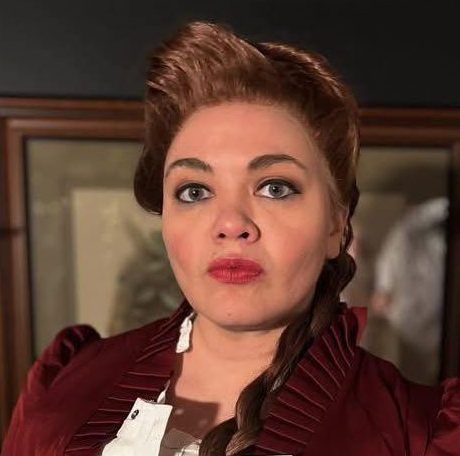
Emma Schwartz is the Director of The Cherry Tree by Bruce Lawder. She shared with us some insights into her creative process. “My creative process is to be in the present moment of all the stories I choose to direct. With The Cherry Tree, I am exploring the humor, sadness, and challenges faced by the three McCormack women who are trying to break from their emotional prison they have created for themselves in reaction to their absent father/husband. In this production I’m working with three excellent actors: Katherine Wessling, Allison Landi, and Maya Murphy, who have the talent and the desire to join me in this intense collaboration.”
There seems to be a lot of dysfunction in families. Ms. Schwartz addresses the familial dysfunction in this piece. “I can’t speak for every family, but I do address the family dysfunction caused by the abandonment of a parent in The Cherry Tree. This trauma has caused poor communication and habits built up over time as a result. The repeating of relationship patterns is what drives the dysfunction. Learning to break from relationship patterns, to set ourselves free from trauma, is challenging. The Cherry Tree addresses this challenge. “
The absentee father has become an expected stereotype. It’s possible that this has helped strengthen the role of women in relationships and business. It could also be the other way around. The growth of female power has intimidated weaker men. We were curious to get Ms. Schwartz’s take on this notion. “I do think that the absence of a parent, whatever the gender, can cause abandonment issues. In this play, The Cherry Tree, the father has left, and we’re dealing with the effect of the abandonment of those left behind.”
“Women’s success in having an effect in the workforce and their relationships comes from a history of generations of women who have fought for the right to vote, and for their financial independence. I don’t consider the abandonment of a parent to be the reason that women succeed. I do think that all genders can have a trauma caused by the abandonment of a parent, and that trauma can affect their personal and professional relationships.”
The ATA has a strong patriarch AND several strong matriarchs which quite possibly has contributed to its staying power. Here is what Ms. Schwartz had to say on the topic. “The ATA has always been a strong, vibrant, and creative space for telling human stories. Its catalogue of successful new plays and classical productions is immense. The artistic freedom the ATA allows its directors and actors to tell the stories that ignite and inspire them is the reason for its success. We are a human race with feminine and masculine energy. We cannot live without each other. Our stories are built from the clash of both female and male energies. Art is feminine and masculine. So yes, the ATA with its strong matriarchal and patriarchal presence will definitely contribute to its staying power.”

 Drama Queens, a five-star arts journal focusing on female artists
Leave a comment