
Anya Kai, reporting
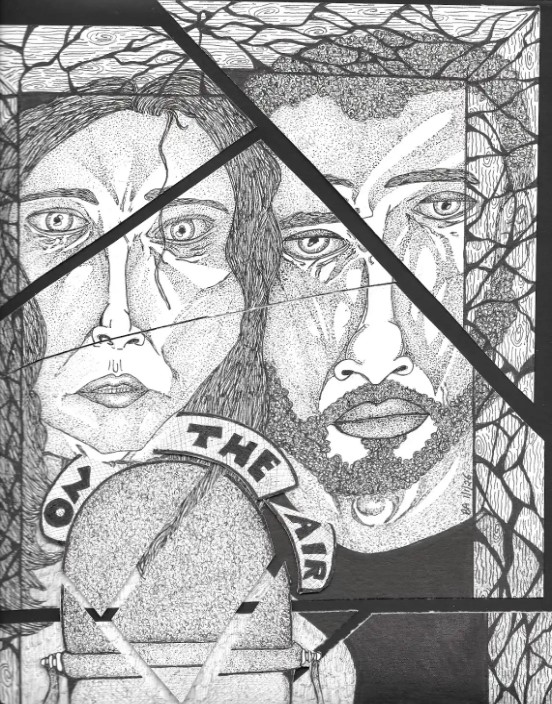
The New York stage is about to get a jolt of raw, intellectual electricity. This week, the Kangalee Arts Ensemble debuts the world premiere of MY DYING CITY, Vol. II (The Social Justice Suicide Hour). Running from January 15 through January 25 at the historic American Theater of Actors, this provocative chamber drama marks a bold return to agitprop-inspired realism.
Written and directed by Dennis Leroy Kangalee, the play centers on two veteran Left-wing activists—former radical radio hosts—grappling with the suicide of their son. It is a story that asks a devastating question: what happens to the fire of revolution when the hearth of the home has been extinguished?
Entering the Storm: Meet Shannon Mastel

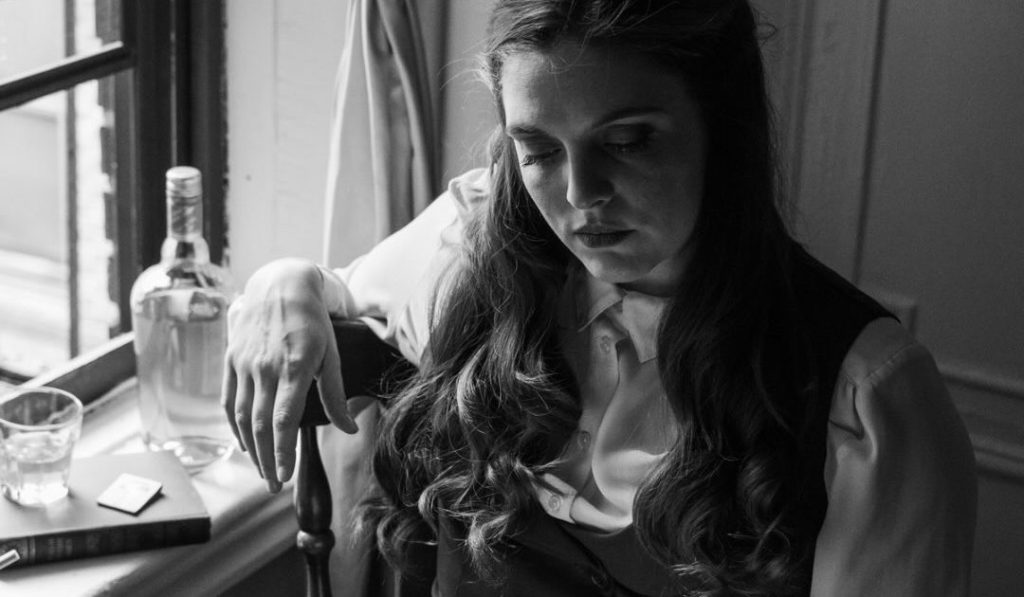
At the center of this volatile evening is Hedia Gouvia, played by actor Shannon Mastel. Describing herself as a “left-handed Enneagram 4,” Mastel brings a unique blend of sensitivity and sharp focus to a character who arrives unannounced, acting as a catalyst for an evening no one sees coming.
Mastel was initially drawn to the project by its high-caliber DNA. “I saw the audition notice online,” she recalls, “and I remember it said the project had roots in Who’s Afraid of Virginia Woolf? and Dutchman. I love both of those plays. It immediately drew me in.”
The Art of Staying Present
For Mastel, acting is more than a career; it is a spiritual discipline. “I have a pretty active, chatty brain. Being an actor gives me a chance to practice quieting that down,” she explains. “Whatever higher power there is gave me a burning desire to be an actor in order to force me to work on staying present.”
Her preparation for the role of Hedia reflects a mix of deep study and instinctive wandering:
- The Page: She starts by obsessively learning the text.
- Daydreaming: Much of her character development happens in her imagination.
- The Pacino Method: Inspired by Al Pacino’s love of walking to find a character, Mastel can often be found walking the streets of New York, lost in Hedia’s world. “I’m often mistaken for Mr. Pacino on my walks,” she jokes, “but I’m very gracious about it.”
A Reflection of Our Times
MY DYING CITY, Vol. II isn’t just a family drama; it’s a mirror held up to the political exhaustion of the last decade. While her character, Hedia, clings to the possibility of revolution, Mastel admits that her own outlook has been tempered by time.
“To be honest, I used to be a lot more hopeful, like Hedia. I think the past 10-12 years have unfortunately made me more like [the older characters] Paul and Nya. I admire Hedia’s ability to believe… the heartbreak gets heavy.”
It is this heavy heartbreak that the play seeks to explore. Developed through a fellowship at The Action Lab and supported by the Venturous Theater Fund, the production aims to merge deep psychological realism with the grit of social activism.
Searching for “Communal Magic”
Despite the heavy themes of grief and polarization, Mastel is looking for a connection that can only happen in a dark theater. “I hope the audience feels something in their guts,” she says. “Can we come to this place for some communal magic? I really hope we can do that together.”
Once the curtain falls on this limited engagement, Mastel has her sights set on a different kind of revolution: a personal one. She plans to trade her script for Spanish lessons in preparation for a lifelong dream—visiting the Amazon rainforest.

 Drama Queens, a five-star arts journal focusing on female artists
Leave a comment